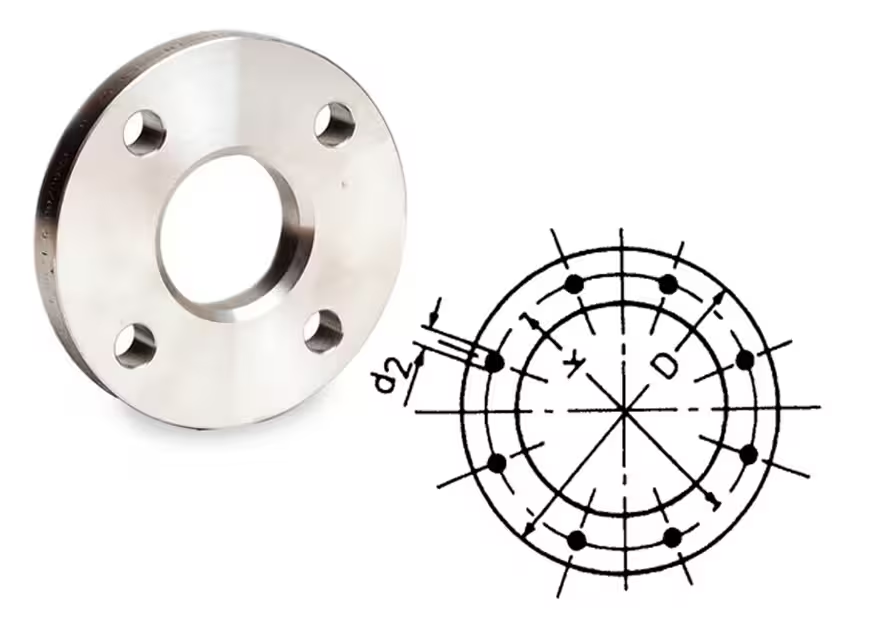
The correct flange dimensions are important to ensure that flanges, pipes, and other components fit together and can withstand the pressure and load of the application.
In the tables below, you will find dimensions for flanges according to DIN standards, including TW, PN 6, PN 10, and PN 16. You can compare, among other things, the outer diameter, bolt circle, number of bolt holes, and hole diameter for different DN sizes.
The tables are intended as a guide. Always check the product’s exact standard, pressure class, and technical specifications before ordering.
How to Use the Tables
Start by identifying the flange's nominal diameter, DN. Then select the pressure class or flange type that is appropriate for your application.
Follow the row to the right to find the corresponding measurements for outer diameter, bolt circle, number of bolt holes, and hole diameter.
It is important that the size, pressure class, and hole pattern all match. Two flanges with the same DN may have different dimensions depending on the pressure class and standard.
What do the symbols in the table mean?
- DN: Nominal diameter. DN is a standardized size designation and does not always correspond to an exact measured dimension in millimeters.
- D: The outer diameter of the flange.
- k: The bolt circle diameter, that is, the distance between the centers of the bolt holes measured across the center of the flange.
- n: Number of bolt holes.
- d2: The diameter of the bolt holes.
- PN: Nominal pressure class. PN 6, PN 10, and PN 16 describe different pressure classes, but the permissible load is also affected by factors such as temperature, material, and standards.
- TW: Here, you should include a brief explanation of exactly what "TW" means in your specific table and which flanges the dimensions refer to. This is not clearly stated on the page at present.
Flange dimensions according to DIN standard
| DN | TW | PN 6 | PN 10 | PN 16 | DN | ||||||||||||
|---|---|---|---|---|---|---|---|---|---|---|---|---|---|---|---|---|---|
| D | k | n | d2 | D | k | n | d2 | D | k | n | d2 | D | k | n | d2 | ||
| 15 | 80 | 55 | 4 | 11 | 95 | 65 | 4 | 14 | 95 | 65 | 4 | 14 | 15 | ||||
| 20 | 90 | 65 | 4 | 11 | 105 | 75 | 4 | 14 | 105 | 75 | 4 | 14 | 20 | ||||
| 25 | 100 | 75 | 4 | 11 | 115 | 85 | 4 | 14 | 115 | 85 | 4 | 14 | 25 | ||||
| 32 | 120 | 90 | 4 | 14 | 140 | 100 | 4 | 18 | 140 | 100 | 4 | 18 | 32 | ||||
| 40 | 130 | 100 | 4 | 14 | 150 | 110 | 4 | 18 | 150 | 110 | 4 | 18 | 40 | ||||
| 50 | 154 | 130 | 8 | 11 | 140 | 110 | 4 | 14 | 165 | 125 | 4 | 18 | 165 | 125 | 4 | 18 | 50 |
| 65 | 154 | 130 | 8 | 11 | 160 | 130 | 4 | 14 | 185 | 145 | 4 | 18 | 185 | 145 | 4 | 18 | 65 |
| 80 | 154 | 130 | 8 | 11 | 190 | 150 | 4 | 18 | 200 | 160 | 8 | 18 | 200 | 160 | 8 | 18 | 80 |
| 100 | 174 | 150 | 8 | 14 | 210 | 170 | 4 | 18 | 220 | 180 | 8 | 18 | 220 | 180 | 8 | 18 | 100 |
| 125 | 204 | 176 | 8 | 14 | 240 | 200 | 8 | 18 | 250 | 210 | 8 | 18 | 250 | 210 | 8 | 18 | 125 |
| 150 | 240 | 210 | 12 | 14 | 265 | 225 | 8 | 18 | 285 | 240 | 8 | 22 | 285 | 240 | 8 | 22 | 150 |
| 200 | 320 | 280 | 8 | 18 | 340 | 295 | 8 | 22 | 340 | 295 | 12 | 22 | 200 | ||||
| 250 | 375 | 335 | 12 | 18 | 395 | 350 | 12 | 22 | 405 | 355 | 12 | 26 | 250 | ||||
| 300 | 440 | 395 | 12 | 22 | 445 | 400 | 12 | 22 | 460 | 410 | 12 | 26 | 300 | ||||
The table shows flange dimensions in millimeters for various DN sizes and pressure classes. Start with the DN size, and then refer to the dimensions listed under the applicable flange type or pressure class.
Flange Dimensions in DN and Inches
| DN | TW | PN 6 | PN 10 | PN 16 | DN | ||||||||||||
|---|---|---|---|---|---|---|---|---|---|---|---|---|---|---|---|---|---|
| D | k | n | d2 | D | k | n | d2 | D | k | n | d2 | D | k | n | d2 | ||
| 20 | 105 | 75 | 4 | 14 | 105 | 75 | 4 | 14 | 98.4 | 69.8 | 4 | 15.9 | 117.5 | 82.5 | 4 | 19 | 3/4″ |
| 25 | 115 | 85 | 4 | 14 | 115 | 85 | 4 | 14 | 107.9 | 79.4 | 4 | 15.9 | 123.8 | 88.9 | 4 | 19 | 1″ |
| 32 | 140 | 100 | 4 | 18 | 140 | 100 | 4 | 18 | 117.5 | 88.9 | 4 | 15.9 | 133.3 | 98.4 | 4 | 19 | 1 1/4″ |
| 40 | 150 | 110 | 4 | 18 | 150 | 110 | 4 | 18 | 127 | 98.4 | 4 | 15.9 | 155.6 | 114.3 | 4 | 22.2 | 1 1/2″ |
| 50 | 165 | 125 | 4 | 18 | 165 | 125 | 4 | 18 | 152.4 | 120.6 | 4 | 19 | 165.1 | 127 | 8 | 19 | 2″ |
| 65 | 185 | 145 | 8 | 18 | 185 | 145 | 8 | 18 | 177.8 | 139.7 | 4 | 19 | 190.5 | 149.2 | 8 | 22.2 | 2 1/2″ |
| 80 | 200 | 160 | 8 | 18 | 200 | 160 | 8 | 18 | 190.5 | 152.4 | 4 | 19 | 209.5 | 168.3 | 8 | 22.2 | 3″ |
| 100 | 235 | 190 | 8 | 22 | 235 | 190 | 8 | 22 | 228.6 | 190.5 | 8 | 19 | 254 | 200 | 8 | 22.2 | 4″ |
| 125 | 270 | 220 | 8 | 26 | 270 | 220 | 8 | 26 | 254 | 215.9 | 8 | 22.2 | 279,4 | 234.9 | 8 | 22.2 | 5″ |
| 150 | 300 | 250 | 8 | 26 | 300 | 250 | 8 | 26 | 279.4 | 241.3 | 8 | 22.2 | 317,5 | 269.9 | 12 | 22.2 | 6″ |
| 200 | 360 | 310 | 12 | 26 | 375 | 320 | 12 | 30 | 342.9 | 298.4 | 8 | 22.2 | 381 | 330.2 | 12 | 25.4 | 8″ |
| 250 | 425 | 370 | 12 | 30 | 450 | 385 | 12 | 33 | 406.4 | 361.9 | 12 | 25.4 | 444.5 | 387.3 | 16 | 28.6 | 10″ |
| 300 | 485 | 430 | 16 | 30 | 515 | 450 | 16 | 33 | 482.6 | 431.8 | 12 | 25.4 | 520.7 | 450.8 | 16 | 31.7 | 12″ |
| 300 | 440 | 395 | 12 | 22 | 445 | 400 | 12 | 22 | 460 | 410 | 12 | 26 | 300 | ||||
The table above shows flange dimensions for common DN sizes along with the corresponding nominal inch dimensions. Keep in mind that the inch dimension is a nominal designation and does not always correspond to an exact measured dimension.
What is the difference between PN 6, PN 10, and PN 16?
PN indicates the flange's nominal pressure class.
- PN 6 is normally used in systems with lower pressure.
- PN 10 is a common pressure class for many industrial applications.
- PN 16 is designed for higher nominal pressures than PN 6 and PN 10.
The actual allowable pressure of the flange also depends on temperature, material, design, and the standard according to which it was manufactured. Therefore, always check the product’s technical documentation.
Important things to consider when choosing a flange
When selecting a flange, you need to consider more than just the DN. Also take into account:
- pressure class
- outer diameter of the flange
- bolt circle
- number of bolt holes
- the diameter of the bolt holes
- connection type
- material
- gasket and sealing surface
- temperature and media
Flanges with the same nominal size may not be compatible if their hole patterns, pressure ratings, or standards differ.
Do you need help choosing the right flange?
The choice of flange is influenced by factors such as dimensions, pressure class, hole pattern, connection type, media, and material. We’re happy to help you compare flange dimensions and select a flange that suits your application.
Contact us, and we'll help you find the right solution.
Get help choosing the right flange