Maximizing efficiency: A deep dive into the characteristics of diaphragm pumps

By choosing the right material and understanding the unique characteristics of diaphragm pumps, you can ensure optimal performance and reliability for your production or process. Colly Flowtech is here to guide you through the selection process and ensure your operations run as smoothly and efficiently as possible.
What characteristics define diaphragm pumps?
Self-suction properties
By creating a vacuum inside the pump, the diaphragm pumps draw liquids and gases. This property makes them indispensable for sucking up liquids from low levels or handling gases in low pressure systems.
Peat mining
A diaphragm pump can operate “dry” because it has no mechanical shaft seal that requires cooling or lubrication.
Gentle pumping
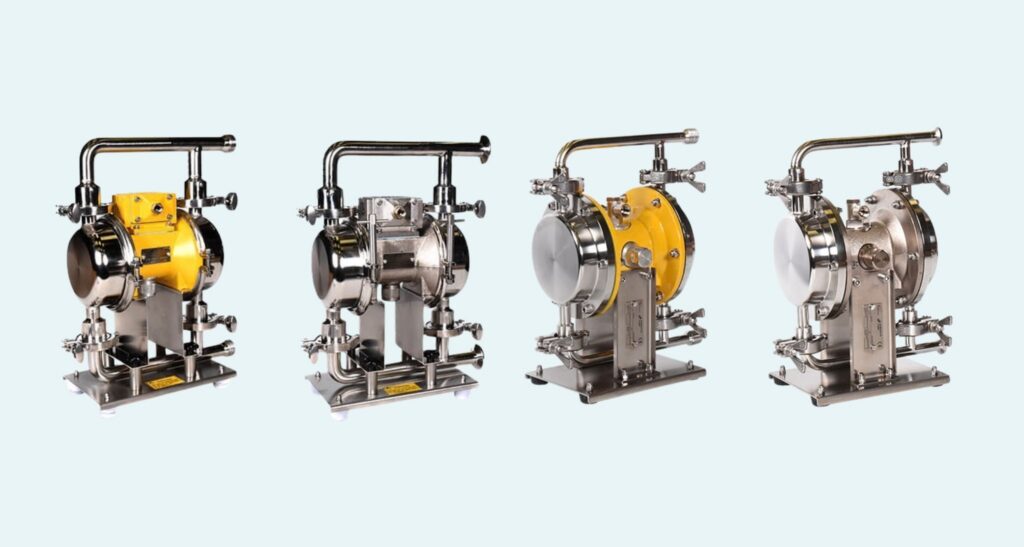
Because diaphragm pumps have few moving parts that come into contact with the pumped liquid or gas, they are suitable where gentle handling of the medium is required. This makes them ideal for sensitive or clean processes, especially in the food and pharmaceutical industries.
Wide range of applications
Diaphragm pumps can be used to pump a wide variety of liquids and gases, including corrosive, viscous and toxic substances. This flexibility makes them indispensable in various industrial and production environments.
Low maintenance requirements
With few moving parts, diaphragm pumps typically require minimal maintenance, reducing operating costs and increasing process reliability.
Compact design
Diaphragm pumps come in a variety of sizes and configurations, including compact units that are ideal for confined spaces or portable applications. Their design makes them flexible and easy to integrate into different systems.
Corrosion resistance
Since you often pump corrosive or aggressive liquids and gases with diaphragm pumps, you need to choose materials that are resistant to corrosion. Examples of such materials include stainless steel and specially treated polymers that are resistant to chemical attack.
Chemical compatibility
Choose materials in diaphragm pumps that are compatible with the liquids and gases you pump. This will avoid chemical reactions that could otherwise reduce the pump's performance or shorten its lifetime.
Temperature resistance
Depending on the application, diaphragm pumps may need to handle high or low temperatures. Material choices should therefore take into account the temperature resistance of the pump to ensure long-term and reliable operation.
Hygiene requirements
Applications in the food and pharmaceutical industries place high demands on hygiene. Therefore, the choice of materials is crucial to meet these requirements. You need to choose materials that are easy to clean and do not risk contaminating the pumped medium.
Abrasion resistance
To ensure long life and minimal maintenance, the materials of diaphragm pumps must be durable. They must also withstand the strain of continuous pumping over time.
By choosing the right materials for diaphragm pumps, you can ensure optimal performance and comply with industry-specific requirements and standards. At Colly Flowtech, we are at your service to ensure that your production or process runs as efficiently as possible.
Is a diaphragm pump right for your process?
Our pump specialists will help you choose the right diaphragm pump for your process.
Frequently asked questions about diaphragm pumps
What is a diaphragm pump?
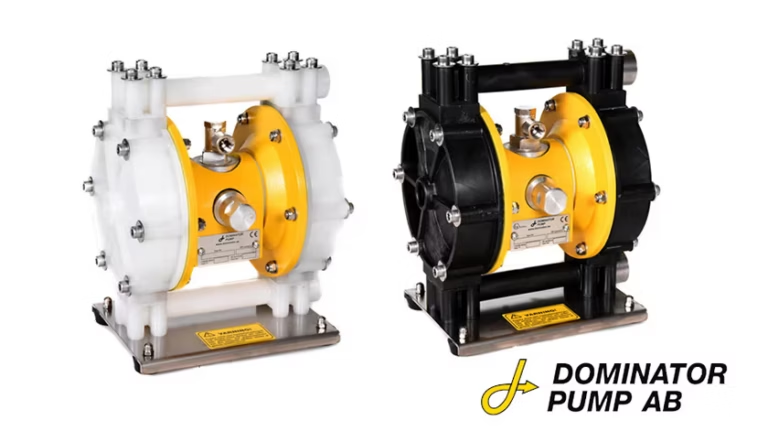
A diaphragm pump is a positive displacement pump that uses a flexible diaphragm to move fluids. When the diaphragm moves, it creates a vacuum that sucks in the liquid, and the next movement pushes the liquid out. This allows the pump to handle both clean and particle-filled media.
What are the benefits of a diaphragm pump?
Diaphragm pumps are self-priming, can be run dry without damage and can handle both aggressive chemicals and viscous liquids. They are also highly reliable and easy to maintain, making them cost-effective in the long run.
What types of liquids can a diaphragm pump handle?
A diaphragm pump can pump anything from water and chemicals to slurries, paints, adhesives and other viscous or abrasive media. Thanks to its design, it is also suitable for delicate liquids that must not be subjected to strong shear.
Which industries use diaphragm pumps the most?
Diaphragm pumps are used in many industries, including food, pharmaceuticals, chemicals, water treatment and paint and varnish production. They are popular because they can handle both sensitive and demanding media without compromising reliability.
How to maintain a diaphragm pump?
Regular maintenance includes checking diaphragms, valves and gaskets. Replacing wear parts in time reduces the risk of downtime. As diaphragm pumps have few moving parts, servicing is often both simple and quick.
Do you have any questions?

Explore our range of diaphragm pumps