Knowledge Article
How to maximize the life of your pumps: With proper service and maintenance
By Daniel Almer
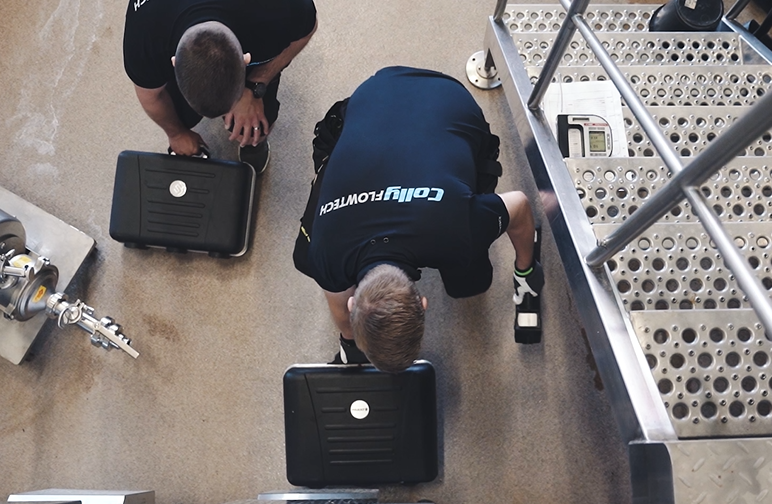
Pumps play a crucial role in many industrial processes - from chemical handling and water treatment to food production and pharmaceutical industries. They keep liquids moving, ensure a smooth flow and keep production running smoothly. But if a pump stops working, the consequences can be far-reaching and, in the worst case, bring production to a standstill.
That extend the life of pumpsis an investment that both increases reliability and lowers your long-term maintenance costs. Ensuring a high level of reliability, avoiding breakdowns and extending the lifespan of your equipment requires thoughtful and preventive maintenance.
Below, we share our best recommendations on how to detect problems in time and keep your pumping equipment in top condition - with a focus on safety and efficiency.
Extend the life of pumps by detecting bearing problems in time
Bearing-related issues can cause a bearing failure and are one of the most common causes of unexpected pump failures. However, with the right methods, you can detect bearing problems at an early stage and fix them before they cause downtime, loss of production or consequential damage.
Below we have listed three effective ways to identify inventory problems in time:
- Monitor vibration and noise
Changes in sound level or vibration patterns are often the first sign that something is not right in the bearings. A pump that suddenly sounds different or vibrates more than normal should always be investigated. Introducing continuous vibration analysis will allow you to react early and avoid emergency situations.
- Use a thermographi
Temperature rises are an early sign that something is wrong in the bearings, often caused by increased friction or lack of lubrication. Using thermographic measurements, you can easily detect overheated components in time and replace parts before a major failure occurs.
- Analyze the lubricant
Analyzing your pump's lubricant can reveal a lot about the condition of your bearings. By regularly sampling and examining the contents of the oil - such as the presence of metal particles, contaminants or changes in viscosity - you can detect early wear or signs of contamination. It provides a clear picture of both lubrication conditions and mechanical anomalies, long before the problem becomes visible or audible.
Preventing pump breakdowns - 4 things to keep in mind
Unplanned production interruptions can quickly have major consequences, especially in processes where every minute counts, such as food and pharmaceutical manufacturing or the handling of sensitive chemicals. A structured and long-term approach to maintenance reduces the risk of sudden failures and creates the conditions for stable and efficient operations.
Here are four factors to prevent unplanned downtime:
- Schedule and document service intervals
Following the manufacturer's recommendations is a good start, but it rarely goes all the way. A good and effective maintenance plan should be adapted to how the equipment is actually used, such as load, usage patterns and previous failures. This makes it easier to plan the right interventions at the right time.
- Training operational staff
Operators who understand how equipment works and recognize early warning signs play an important role in prevention. By investing in training, you increase both responsiveness and accountability on the shop floor, which in turn strengthens overall operational safety.
- Make sure you have spare parts available:
Once a failure occurs, it is crucial to have the right parts available to restore operations quickly. Identify which components are particularly important for your plant and make sure they are in stock or can be delivered quickly if needed. A clear plan for this can be the difference between a short outage and a longer production stoppage.
- Use original parts and the right lubricant
High quality and the right fit are essential. Genuine parts are designed to work optimally with other components. Combined with the right lubricant - adapted to the operating environment and load - you reduce wear and the risk of unexpected failures. This lays the foundation for stable operation without unnecessary disruptions.


A long-term investment in reliability
Pump maintenance is more than a technical routine - it affects the operation and efficiency of the entire plant. With the right maintenance approach, you can extend the life of your pumps, reduce the risk of unexpected downtime and get more out of your investment.
At Colly Flowtech, we create customized maintenance solutions - from planning and analysis to spare parts, service and training. With our technical expertise and local presence, we can support you all the way. Whether you need help with single pumps or entire systems.
This text was written by Daniel Almer (daniel.almer@colly.se), Service Manager Pump at Colly Flowtech.
Vill du få ut mer av dina pumpar?
Ett serviceupplägg anpassat efter hur pumparna används kan hjälpa dig att upptäcka slitage i tid och planera underhållet. Våra servicetekniker hjälper dig att se över behoven i din anläggning, från en enskild pump till flera delar av systemet.
Do you have any questions?

Frequently asked questions about pump service and maintenance
How often should I service my pumps?
This depends on several factors, such as the intensity of use, the environment in which it operates (e.g. dusty, chemical or humid environment) and the materials handled. The manufacturer's recommendations are a good basis, but they should be complemented by insights from your own operational data. By monitoring pump performance regularly, you can extend the lifetime of pumps and reduce the risk of unnecessary downtime.
What are the most common signs that a pump is about to fail?
Changes in sound, increased vibrations, heat generation or unusual odors are clear warning signs. Reduced performance or uneven flow can also indicate problems.
How can I detect stock problems in time?
Monitoring vibrations, temperatures and lubricants gives you early indications of wear. It is an important part of extending the life of pumps and ensuring safe operation.
Why are original parts important in pump maintenance?
Original parts are customized for optimal fit and function, reducing the risk of failure. They contribute to longer lifetime and higher reliability.
What do I gain from working preventively instead of fixing errors afterwards?
Preventive maintenance reduces the risk of unplanned downtime and high repair costs. It provides a more stable and cost-effective operation over time.