PVC hoses are one of the most versatile and popular options when it comes to hose solutions for both industrial and domestic needs. But what is a PVC hose, when should you use it and what are its popular features?
What is a PVC hose?
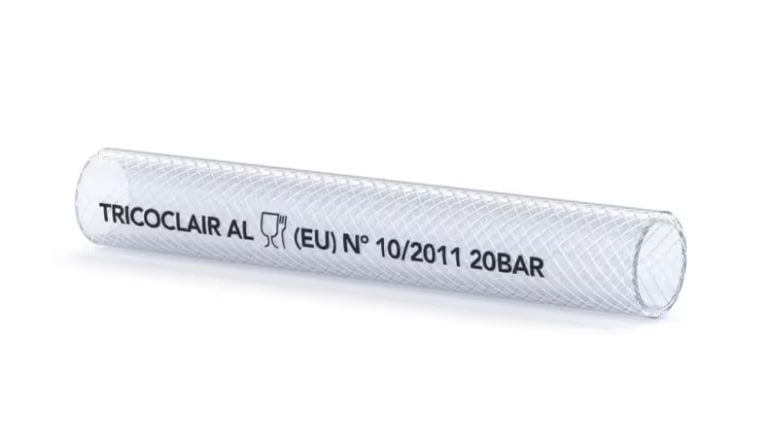
A PVC hose is a flexible hose made of polyvinyl chloride - a durable plastic material that can withstand both liquids and gases. Thanks to the unique properties of the material, PVC hoses are used in a variety of fields - from garden irrigation to industrial applications.
When are PVC hoses used?
PVC hoses are used in many applications where you need to transport liquids, air or certain chemicals. Some common uses are:
- Garden hoses for watering plants and lawns
- Compressed air hoses in workshops and industry
- Sewerage and drainage solutions
- Water and liquid transport in households, agriculture and construction
- Food grade hoses for the transportation of beverages and food (some models)
- Cooling and ventilation systems
Advantages of PVC hoses
There are several reasons why PVC hoses are so popular. Here are some of the main advantages:
- Flexibility - Easy to bend and shape, even in tight spaces
- Low weight - Easy to transport and install
- Sustainability - Resistant to wear and chemicals
- Affordability - PVC is a cost-effective material compared to rubber, for example
- Temperature resistance - Often withstands temperatures between -10°C to +60°C (may vary)
Key characteristics to consider
When choosing a PVC hose, you should take into account the following characteristics:
- Inner diameter and wall thickness - Determines how much pressure and flow the hose can handle
- Pressure classification - Check the maximum working pressure
- Chemical resistance - Choose a model that matches the liquids you want to transport.
- Temperature range - Check that the hose can withstand the temperatures you plan to use it in.
- Food classification - Use a food-grade hose when in contact with food or drinking water.
PVC hose in comparison with other materials
Many people compare PVC hoses to rubber, silicone or polyurethane hoses. Although PVC cannot withstand as high temperatures as silicone, the material often offers advantages in terms of lower price, lower weight and good chemical resistance. PVC is particularly well suited to simpler applications.
Executive summary
PVC hoses are a flexible, affordable and durable solution for many different needs - from garden to industry. By choosing the right type of PVC hose for your application, you can ensure both functionality and longevity. Whether you need a compressed air hose, a drainage hose or a food grade model, there is a PVC hose to suit.
Do you need help choosing the right PVC hose?
Our specialists will help you find the right hose for your application, or you can create an account and purchase select PVC hoses directly from our online store.

Frequently asked questions about PVC hoses
What is a PVC hose?
A flexible plastic (polyvinyl chloride) hose used to conduct liquids, air or gas.
What are PVC hoses used for?
For irrigation, compressed air, sewage, food, refrigeration systems and fluid transportation in homes and industry.
What are the benefits of PVC hoses?
They are lightweight, flexible, durable, affordable and resistant to UV, chemicals and temperature changes.
Can PVC hoses withstand chemicals and heat?
Yes, they are resistant to many chemicals and can often withstand temperatures between -10°C and +60°C.
What to consider when choosing a PVC hose?
Choose according to inner diameter, pressure class, chemical resistance, temperature resistance and possibly food grade.
Do you have any questions?

Explore our range of PVC hoses