Important factors to consider when choosing a metal hose for installation and operation

When safety, reliability and longevity are paramount, few components matter as much as metal hose. You will find metal hoses from chemical and energy industries to process plants, where they handle high pressures, extreme temperatures and demanding media. But not all metal hoses are the same. To avoid unnecessary downtime, costly repairs or, in the worst case, breakdowns, it is crucial to choose the right hose for the right application. Here we go through the most important factors to consider when making your choice.
Checklist: how to choose the right metal hose
Medium - what to transport?
The first step is to consider the medium the hose will handle. Aggressive chemicals, acids, oxygen, hot oil or steam place different demands on the material. The wrong choice of material can lead to corrosion, shorter service life or, in the worst case, breakdown.
Pressure and temperature
Metal hoses are often used in demanding environments where both high pressures and extreme temperatures occur. Here it is crucial to:
- Dimension the hose for maximum operating pressure with safety margin
- Take into account both continuous operating temperature and short-term peaks
Movement and flexibility
A metal hose must not only withstand pressure and temperature, it must also be able to absorb movements. These can be vibrations, thermal expansion, axial or lateral displacement. Incorrect dimensioning risks creating unnecessary stress on both the hose and the connections.
Sizing and installation
- Choose the right inner diameter to achieve the desired flow
- Check the minimum bending radius - too tight bends shorten service life
- Plan the length so that the hose can absorb movements without overloading
- Avoid torque during assembly and use swivels if necessary
Correct installation is as important as the right type of hose
Couplings and connections
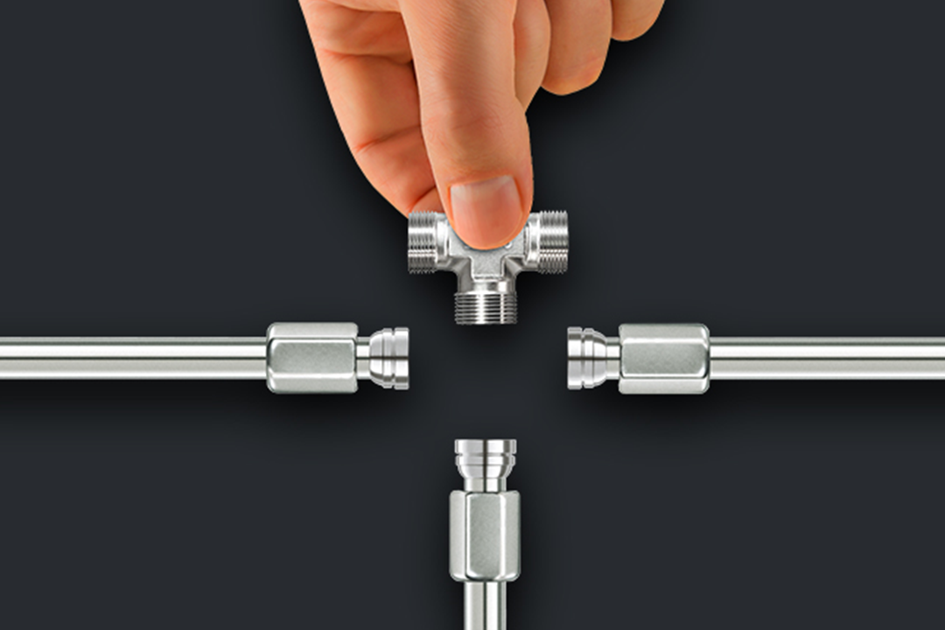
For metal hoses, different types of connections are available, such as welded couplings, flanges or threads. Tightness, serviceability and integration into the system are affected by the choice.
Environment and surroundings
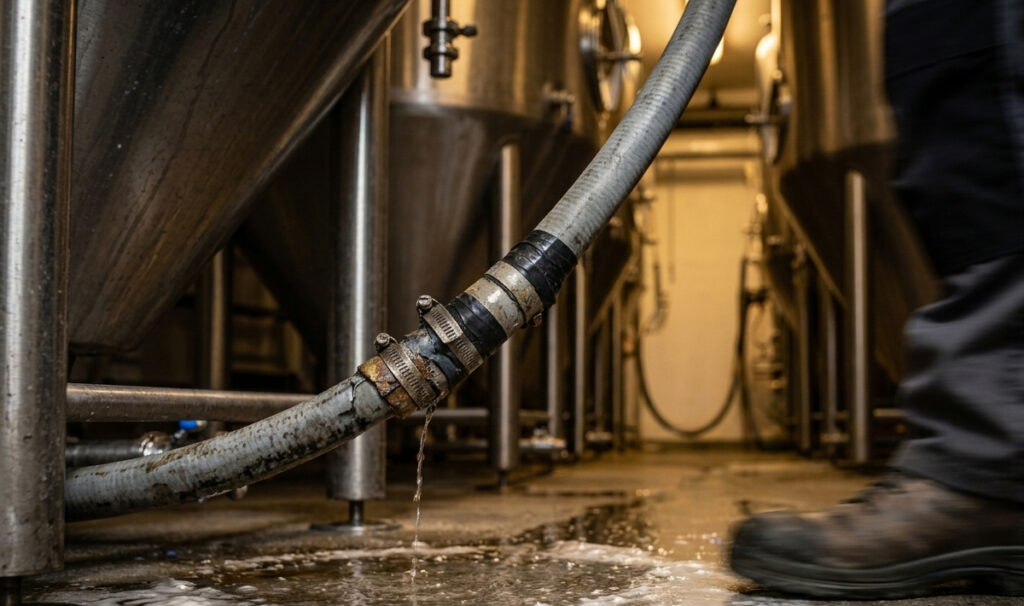
External factors also come into play. Is the hose exposed to mechanical wear and tear, chemical spills, UV radiation or heavy vibrations? Then it may need extra protection, for example in the form of a jacket or special braiding.
Economy and longevity
The cheapest solution is rarely the best. A properly sized metal hose can last for many years without maintenance, reducing downtime and overall costs in the long run.
Rules and certifications to consider
As metal hoses contain welded parts, they must comply with applicable regulations and quality requirements.
Some key certifications and standards are:
- Pressure Equipment Directive (PED, 2014/68/EU) - ensures that pressure equipment is designed and tested for safe operation within the EU
- ISO 3834 - quality requirements for welding, which sets requirements for procedures, documentation and control
- EN ISO 9606 - requirement for welders to be certified for the correct method and material
- EN ISO 15614 - procedure test ensuring that the welding procedure (WPS) is tested and approved
Choosing a supplier that adheres to these standards provides peace of mind both for operational reliability and for meeting regulatory requirements.
Executive summary
When selecting metal hose, you do more than specify dimension and length. To ensure operation and longevity, you need to consider media, pressure, temperature, movement, installation conditions and applicable standards. Getting it right from the start avoids costly downtime and ensures a solution that lasts for many years.
Do you want to be absolutely sure to get a metal hose that is adapted to your particular process? We help you all the way, from needs analysis and component selection to finished, tested hose solution.
Do you have any questions?