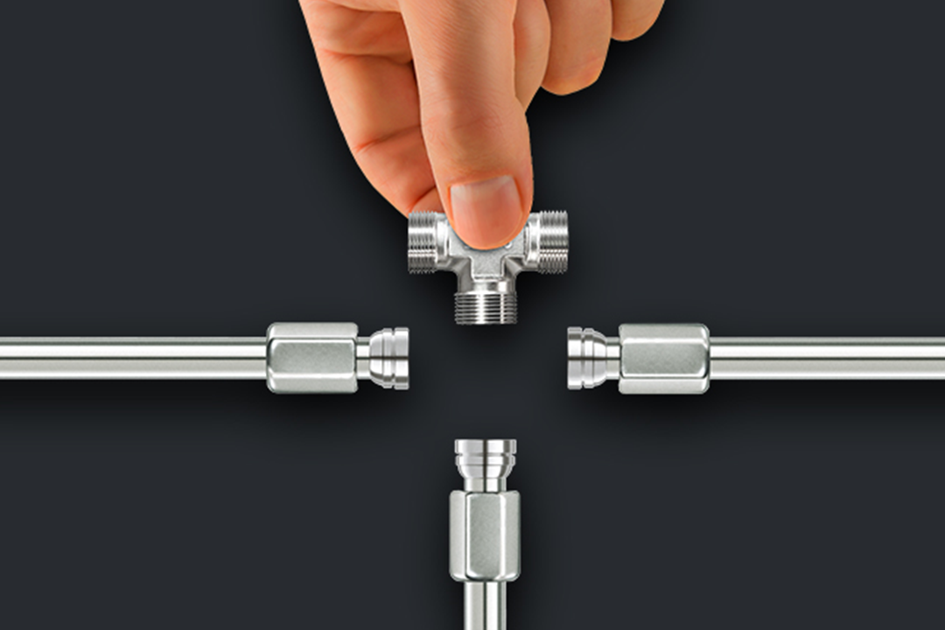
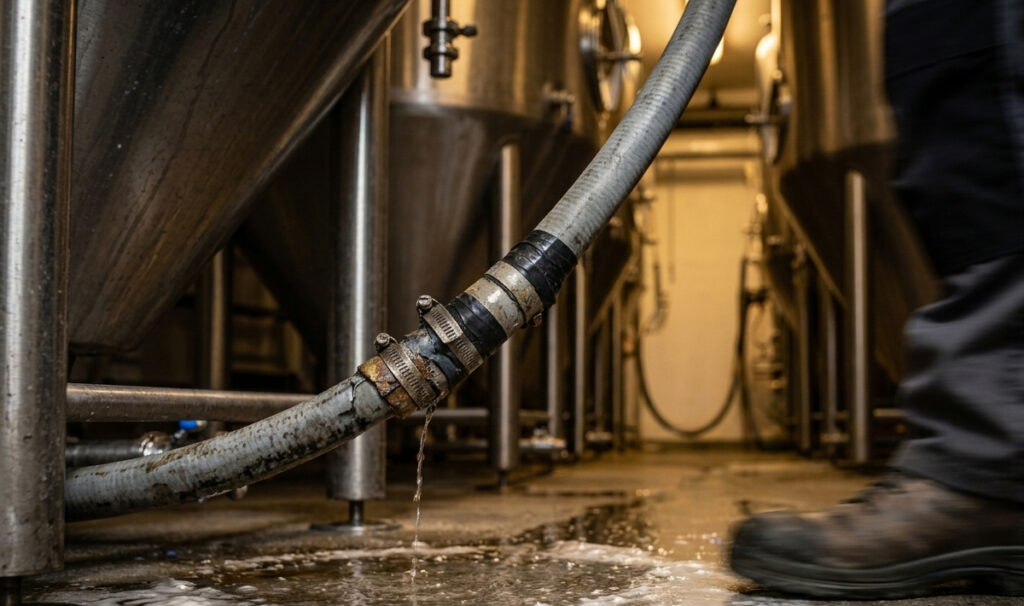
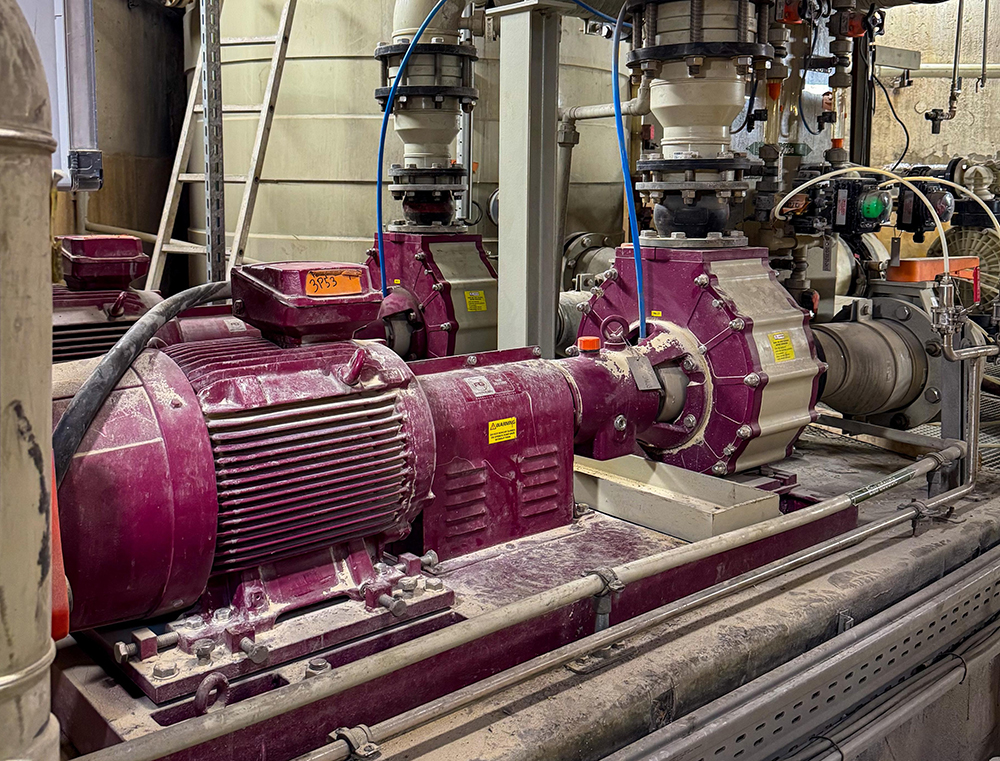
Wear and tear on gaskets is a common but often overlooked cause of both leakage and unnecessary downtime. With the right gasket care, you can ensure a reliable and stable process, whether you work in pharmaceutical, food or other process industries. By understanding the factors that affect gasket performance, you can reduce the risk of leakage, wear and costly downtime.
In this blog post, we review the most common causes of premature gasket wear and share four smart gasket care tips to help you extend their lifespan.
Three common causes of gasket wear
Gaskets can sometimes wear out long before they should, but many times this can be prevented with fairly simple measures. Here are three common causes of unnecessary wear on gaskets:
1. over-compression during installation
One of the most common mistakes is to overtighten the gasket. Different materials have different torques and if the torque is too high, there is a risk of destroying the gasket already during installation, which in turn not only reduces its lifetime, but can also cause leakage or downtime.
2. Lack of alignment in the system
If the pipes are not properly aligned or if extra force is required to compress the flanges, the gasket is subjected to uneven loading. This often leads to over-compression and thus increased wear on gaskets and shortened service life.
3. incorrect dimensioning
Many people choose gaskets based on flange dimensions alone, without considering the pipe standard. This risks giving an inner diameter that does not fit, which both restricts the flow and causes wear on the seal.
How to prevent gasket wear - 4 tips for smarter gasket care
By following a few simple principles, you can not only extend the lifetime of your gaskets, but also increase the reliability of your process and reduce the risk of unnecessary wear on gaskets:
1. use torque wrench with correct setting
Correct torque is essential to avoid over-compression.
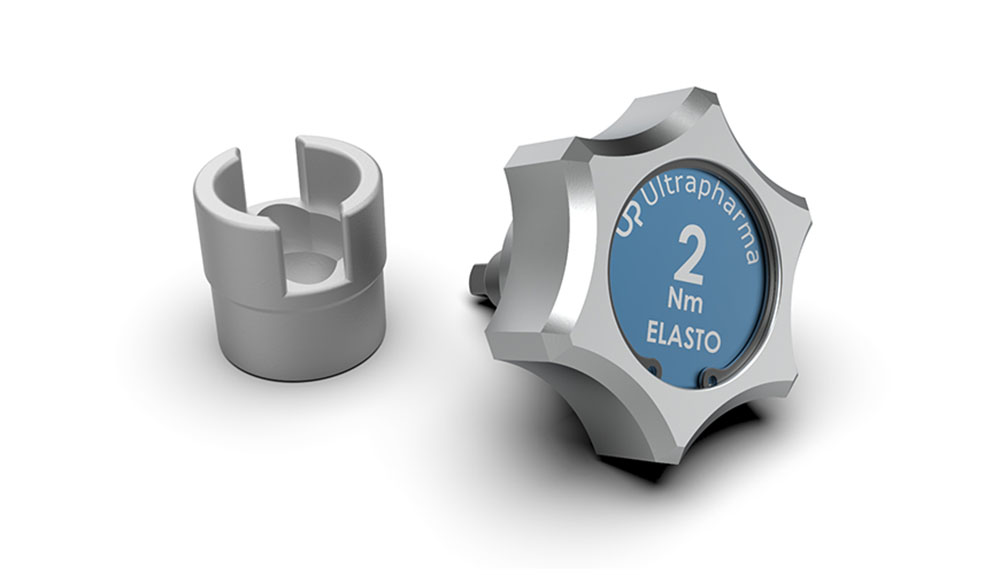
To meet this need, our partner Ultrapharma, a leading expert in gaskets and gasket care, has developed torque wrenches with preset values adapted to the gasket material. This ensures that the right torque (pressure) is applied every time, which in turn prevents over-compression of the gasket - a common cause of gasket wear.
2. train staff in correct installation procedures
Ensure that all personnel handling the installation have a basic knowledge of material properties, tolerances and proper installation techniques. Small adjustments in the installation routine make a big difference to gasket durability and reduce the risk of gasket wear.
3. Choose snap-on gaskets in challenging installations
For installations where alignment is difficult or tolerances are tight, a Snap-on packing from Ultrapharma with integrated plastic ring is an effective solution. The non-wetting plastic ring absorbs the force and protects the gasket from damage in installations that require a significantly higher torque than recommended. It's a smart way to prevent gasket wear in complicated installations.
4. check both the inner and outer diameter
Ensure that the dimensions of the gasket match both the flange and the pipe standard. The correct dimension reduces stress, provides smooth flow and prevents unnecessary wear.

Invest in proper gasket care - save time and money
With the right choice of materials, careful sizing and clear installation procedures, you can increase the reliability of your plant - and extend the lifetime of your gaskets. The result? Less downtime, less maintenance and safer processes.
This text was written by Henrik Carlsson (henrik.carlsson@colly.se), biopharma sales representative at Colly Flowtech.
Vill du få bättre kontroll på dina packningar?
Om packningarna slits i förtid kan det vara läge att se över både valet av packning och hur den monteras. Vi hjälper dig att hitta packningar och produkter för packningsvård som passar din process.
Få rådgivning om packningarDo you have any questions?

Frequently asked questions about gasket care
What causes rapid wear of gaskets?
Over-compression or improper installation quickly wears out gaskets.
What happens when a gasket is over-compressed?
Over-compression creates cracks, deformation and greatly reduces service life.
How do I avoid over-compression?
Use a torque wrench with the correct setting to get the correct torque.
How often should I check or replace gaskets?
Check gaskets continuously and adapt the time intervals to the operating environment.
How does improper installation affect gasket life?
Improper installation can lead to leaks and shortened lifetime.
Explore our range of gasket care