Knowledge Article
Why choose silicone tubing? For hygienic and flexible applications

Silicone tubing: A safe choice for the food and pharmaceutical industry
In the food and pharmaceutical industries, high demands are placed on safety, traceability, and not least on the materials used. Silicone hoses have established themselves as a reliable solution in processes where purity, temperature resistance and durability are crucial. But why is silicone such a popular material? Below we go through the main benefits that make silicone hose such a valued and reliable material.
Silicone - A material with many advantages
Silicone is a synthetic polymer whose main element is silicon, an element found naturally in sandstone and quartz, among others. Through various chemical processes, silicon dioxide is converted into a material that can be formed into solids, oils and gels. This makes silicone extremely versatile and particularly valuable in applications with high demands on hygiene, flexibility and chemical resistance.
Temperature resistant and stable
Silicone hoses and tubing work in temperatures from -55°C to 300°C, depending on the formulation They are unaffected by ozone, UV light or moisture and are resistant to many chemicals. This makes them suitable for both sterile environments and harsh process conditions.
Flexible and dimensionally stable
Thanks to its elasticity and anti-vibration properties, silicone hose is often used in tight installations or where there is a lot of movement. By adding specific substances to the material, properties such as antimicrobial action or chemical resistance can be enhanced.
Purity
Silicone is an odorless, colorless and inert material, which means it does not react with fluids carried in the hose. In particularly sensitive applications, the hoses are manufactured in cleanroom-classed environments (e.g. ISO Class 7), minimizing the risk of contamination.
In addition, many silicone tubes are platinum-cured and meet high standards such as FDA (US regulations) and USP Class VI (medical standard).
Sustainable over time
Silicone hoses maintain their properties even after prolonged use - without losing flexibility, strength or shape, even when pulled out. This makes them a long-term and economically sustainable choice for many manufacturers.
Want to extend the life of your hose even further. Read more here:
Silicone hoses: Approved for the food and pharmaceutical industries.

Silicone hose: high performance for sterile and sensitive environments
For those working in an environment where hygiene, process stability and product safety are crucial, silicone hoses are more than just a component. They are a safe part of a whole that lasts over time. With its cleanliness, high temperature resistance and proven durability, it becomes a safe and reliable part of your process. It contributes to less downtime, safer production and easier regulatory compliance, saving both time and money in the long run.
Do you need help choosing the right silicone hose?
Our specialists will help you find the right silicone hose for your process, or you can create an account and purchase select silicone hoses directly from our online store.

Frequently asked questions about silicone hoses
What are silicone hoses used for?
Silicone hoses are widely used in the food, pharmaceutical and chemical industries to transport liquids and gases. They are particularly suitable for applications that require high temperature resistance and flexibility.
Are silicone hoses approved for food use?
Many silicone hoses are FDA approved and meet the requirements for use in the food industry. This means they are safe for the transportation of food and beverages.
Can silicone hoses withstand high temperatures?
Yes, silicone hoses have excellent heat resistance and can typically be used in a temperature range from -60°C to +200°C, making them ideal for processes with high temperature requirements
How to clean silicone hoses?
Silicone tubes can be cleaned by autoclaving, boiling or using CIP/SIP processes. Their smooth inner surface makes them easy to clean and sterilize, which is important in hygienic applications.
Can silicone hoses be used for fuel transfer?
No, standard silicone hoses are not suitable for fuel transfer as fuels can degrade the silicone material over time. For fuel applications, hoses made from materials such as NBR or PTFE are recommended
Explore our range of silicone hoses
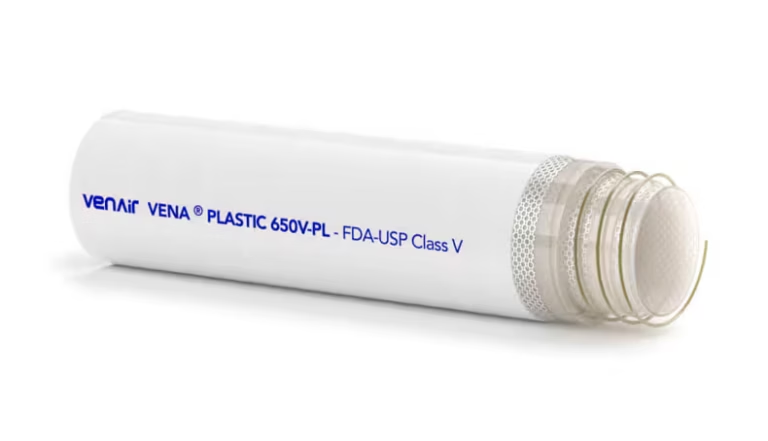
Well suited for liquids and fluid media in the food, cosmetic, chemical and pharmaceutical industries.
12
variaties

Silicone hose with spiral for a very wide range of applications.
11
variaties
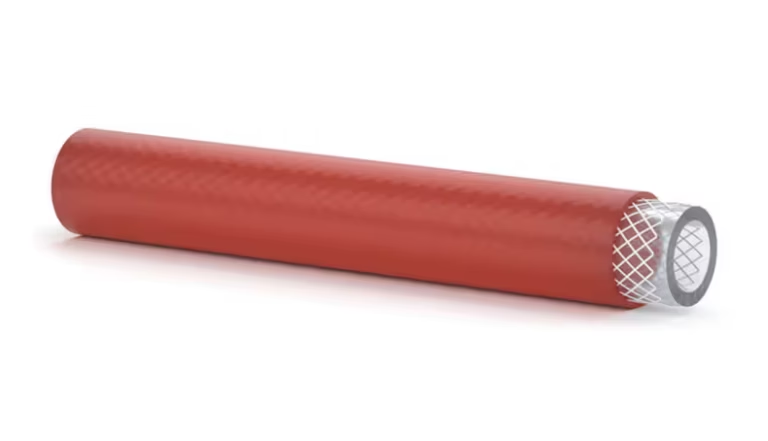
50% discount on select sizes
12
variaties
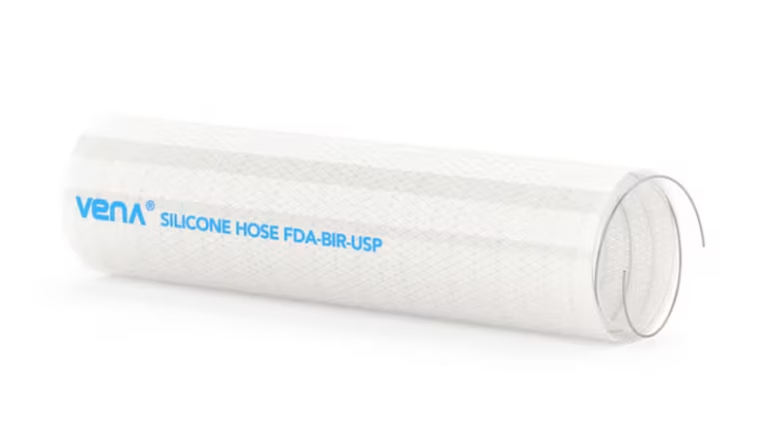
50% discount on select sizes
9
variaties
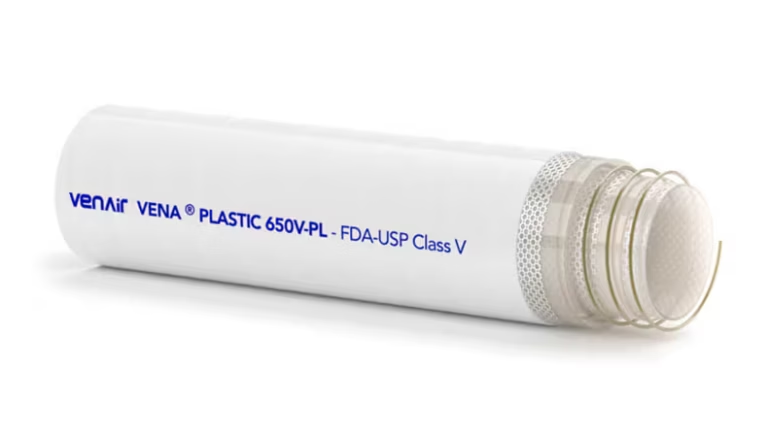
Well suited for liquids and fluid media in the food, cosmetic, chemical and pharmaceutical industries.
12
variaties
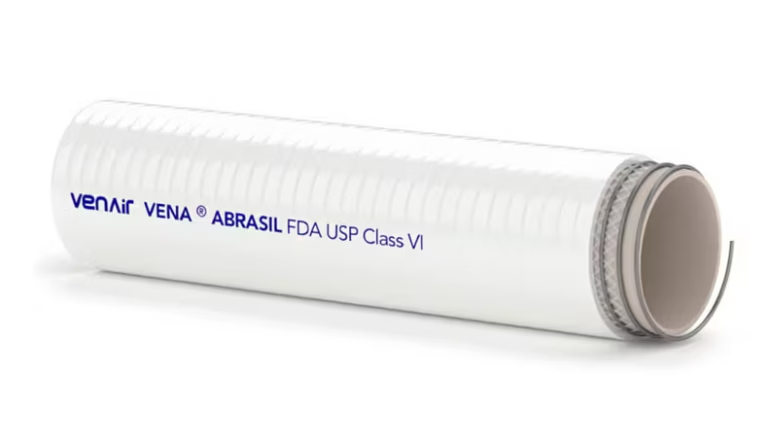
Suction and pressure hose for the food and pharmaceutical industries.
11
variaties
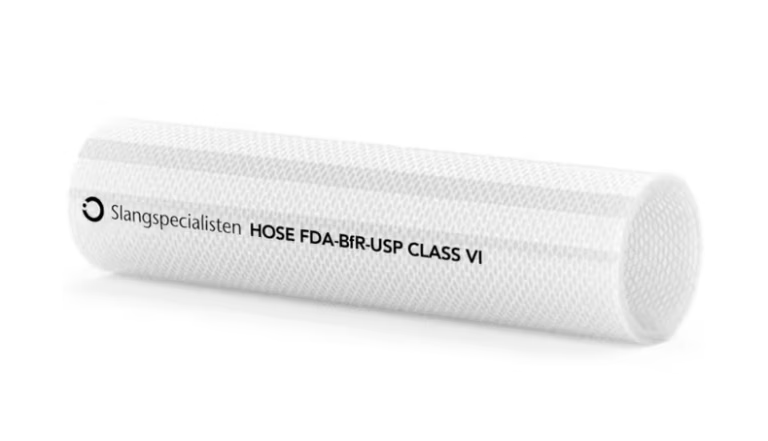
Suitable in, for example, the pharmaceutical, food and cosmetics industries.
12
variaties
Transportation of liquids in the food, pharmaceutical and chemical engineering industries, as well as for coffee machines, beverage machines and laboratory equipment.
47
variaties
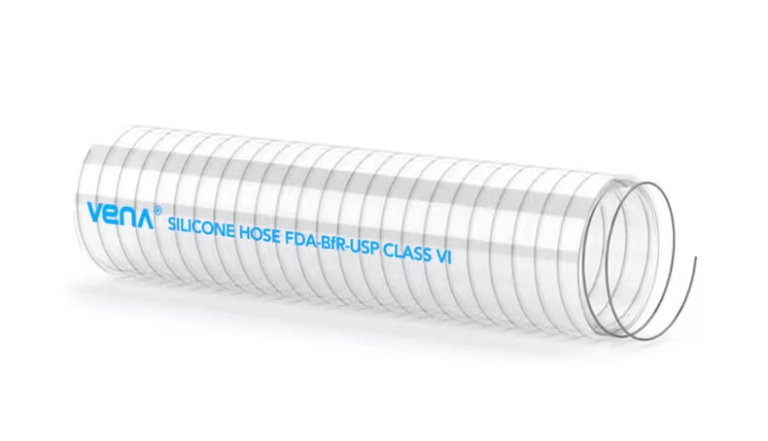
Transparent silicone hose suitable for liquids and liquid media in the food, cosmetic, chemical and pharmaceutical industries.
10
variaties

Sight glass is an inspection glass used to visually monitor liquid or gas flows in machinery and process equipment. Made from durable material, such as borosilicate glass, it can withstand high temperatures and chemicals. Sight glass is used in industry to ensure proper flow and detect anomalies, increasing both safety and efficiency. Available in inline and clamp versions.

For the transportation of air and gas at extremely high temperatures.
29
variaties
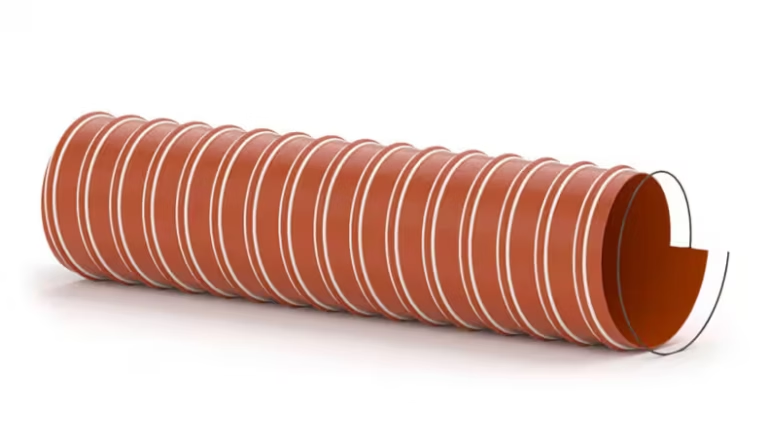
For the transportation of air and gas at extremely high temperatures.
29
variaties
Do you have any questions?

Viktor Fredriksson
Product Manager - Slang
Phone:
+46 73 840 40 10
Email:
viktor.fredriksson@colly.se